Source water cooled turbocharger cartridge for Cars Trucks Excavators
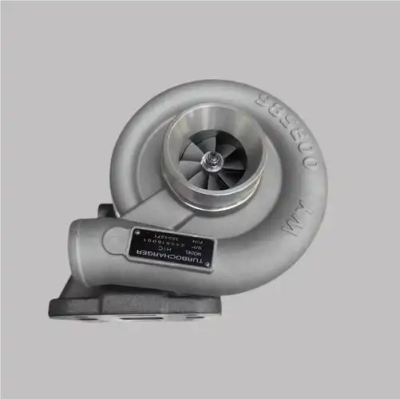
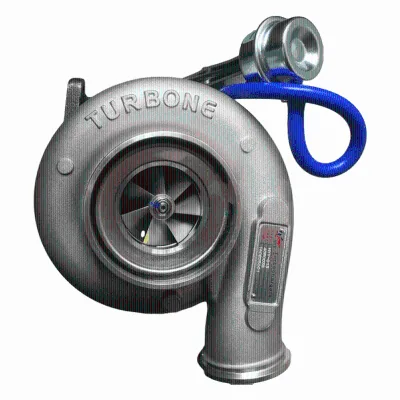
Compare 30 listings for water cooled turbocharger cartridge compatible with diesel cars, trucks, and excavators. Buyers can review specifications including power output, part numbers, and delivery times from verified suppliers in China.
Key considerations
Products List




Comprehensive Sourcing Guide
Strategic Sourcing Guide for Water Cooled Turbocharger Cartridges
Understanding Technical Specifications and Core Attributes
When sourcing a water-cooled turbocharger cartridge, buyers must first distinguish between the various cooling mechanisms and material compositions that define performance and longevity. The core keyword "water cooled" indicates a specific design where the center housing utilizes coolant passages to dissipate heat, preventing oil coking and extending bearing life. In the current market, observed product attributes confirm that water-cooled units are distinct from oil-cooled or air-cooled variants. Buyers should verify that the product listing explicitly states "Water Cooled" or "Water Cold" as a primary attribute, as this is a critical differentiator for high-performance diesel applications.
The material composition of the cartridge is equally vital. High-quality units typically feature a turbine wheel made from Inconel Alloy, which offers superior resistance to high-temperature oxidation and thermal fatigue. The compressor wheel is often constructed from Cast Aluminum to ensure lightweight operation and efficient airflow. The body material is frequently noted as Iron, providing the necessary structural integrity to withstand high boost pressures. Additionally, the bearing system is a crucial component; the standard for high-reliability cartridges is the Full Floating Bearing type, which minimizes friction and maximizes rotational stability.
Buyers must also cross-reference specific technical parameters against their engine requirements. Observed data indicates that displacement ranges from 1.6 Liters to 1984 CCM, with power outputs varying between 128 Kw (174 HP) and 155 Kw (211 HP). The fuel type for these units is predominantly Diesel, aligning with heavy-duty automotive and industrial applications. The year of application is another strict filter; listings often specify compatibility windows such as 2006-2014 or 2008-2012. Ignoring these temporal constraints can lead to fitment failures. Furthermore, the ETS (Exhaust Turbocharger System) type may be Axialflow, while the electric turbocharger type is Centrifugal, requiring precise matching to the vehicle's architecture.
Compliance, Certification, and Regulatory Standards
Navigating the compliance landscape is essential for international procurement, as different regions enforce distinct regulatory frameworks. The supplied product data highlights a wide array of certifications that buyers should verify on a per-unit basis. These include CCC (China Compulsory Certification), COP, ISOCE, E-Mark, RoHS, and TSETS. For global markets, certifications such as BV, TUV, SGS, and ISO9001 are frequently cited as indicators of quality management systems. The presence of a CE mark is also noted for specific applications, particularly in construction machinery like excavators.
However, buyers must treat these certifications as observations of specific listings rather than universal guarantees for all products in the category. A supplier may list ISO9001 for one model but not for another. The critical standard to verify is the "High Speed Balanced Tested" requirement. This testing standard ensures that the rotating assembly has been dynamically balanced to prevent vibration, which is the primary cause of premature bearing failure. The product condition is consistently listed as "100% New," but this claim must be supported by a Balance Testing Report. Without this documentation, the "new" status is merely a marketing assertion rather than a verified quality metric.
In addition to certifications, the testing standard itself is a key compliance factor. The "High Speed Balanced Tested" attribute implies a rigorous validation process. Buyers should request the actual test report to confirm that the unit meets the specified tolerance levels. The presence of certifications like RoHS indicates compliance with restrictions on hazardous substances, which is mandatory for many export markets. Similarly, E-Mark certification is crucial for automotive parts intended for European vehicles. When evaluating a supplier, the absence of these specific documents should be treated as a red flag, regardless of the supplier's general reputation.
Cost Drivers and Pricing Dynamics
The pricing structure for turbocharger cartridges is influenced by a complex interplay of material costs, manufacturing complexity, and certification requirements. The observed listed price range in the market spans from 1 to 5000 USD, a vast disparity that reflects differences in OEM part numbers, power ratings, and material grades. A unit priced at the lower end of this spectrum may be a basic replacement for a standard passenger car, while a unit at the higher end likely corresponds to heavy-duty truck applications or those requiring specialized alloys like Inconel.
Several specific factors drive these costs. First, the OEM part number is a primary determinant. Listings show specific part numbers such as 06h145702s, 53039700118-R, and 840169-0004. These numbers correspond to proprietary engineering designs, and the cost often includes the licensing or tooling fees associated with replicating these exact specifications. Second, the power output is a significant cost driver. Units rated at 155 Kw (211 HP) generally command a higher price than those rated at 128 Kw (174 HP) due to the enhanced materials and tighter tolerances required to handle the increased thermal and mechanical stress.
The Minimum Order Quantity (MOQ) also impacts the effective unit cost. The observed MOQ range is 1 to 10 units, with some listings specifying an MOQ of just 1PC. This flexibility allows for small-scale procurement but may result in higher per-unit costs compared to bulk orders. Conversely, larger orders might trigger volume discounts, though this is not explicitly guaranteed in the provided data. Additionally, the packaging type—ranging from Neutral Boxes to Custom Logo Packing—can influence the final price. Customization support, including OEM logos and custom specifications, adds a layer of complexity that typically increases the cost. Buyers should analyze the total cost of ownership, including shipping methods (Express, Air, or Sea), as these logistics can significantly alter the final landed cost.
Typical Applications and Vehicle Compatibility
The versatility of water-cooled turbocharger cartridges is evident in their application across a diverse range of vehicle types and machinery. The primary application domain is the automotive sector, specifically for Cars, Trucks, and Pickups. The data indicates compatibility with diesel engines, which are the standard for these heavy-duty applications. Specific model years such as 2006-2014 and 2008-2012 are frequently cited, suggesting that these cartridges are designed to replace aging components in established vehicle fleets.
Beyond standard road vehicles, the scope extends to heavy industrial machinery. One specific listing identifies the application as an Excavator, highlighting the cartridge's utility in construction equipment. This dual-use capability underscores the robustness of the design. The displacement range of 1.6 L to 1984 CCM covers a broad spectrum of engine sizes, from smaller commercial vehicles to larger industrial engines. The power output of 1.5t (likely referring to a specific load or power rating in a different context) further illustrates the range of capabilities.
Buyers must be meticulous when matching the cartridge to the specific vehicle model. The provided data lists multiple OEM part numbers, such as 4031507/4031508 and 53039700163. These numbers are not interchangeable; they correspond to specific engine configurations. A mismatch in the part number can lead to catastrophic engine failure. Furthermore, the "Auto Type" attribute confirms that these units are suitable for a variety of vehicle classes, but the specific model year and engine displacement must align perfectly. The "Neutral or Saywontec" packaging suggests that the same physical unit may be sold under different brand names, requiring buyers to rely on the part number rather than the brand name for compatibility.
Supplier Evaluation and Sourcing Criteria
Evaluating a supplier for turbocharger cartridges requires a focus on their ability to provide verified technical data and reliable logistics. The supply chain for these components is global, with the Place of Origin consistently listed as China. This geographic concentration offers a wide selection of products but necessitates rigorous vetting of the supplier's quality control processes. Buyers should prioritize suppliers who explicitly offer "Customization Support," including OEM Logo, Custom Packaging, and Custom Specification options. This flexibility indicates a supplier capable of adapting to specific buyer requirements rather than offering a rigid, one-size-fits-all product.
The delivery time is another critical evaluation metric. The observed delivery time range is 7-15 Days, which is relatively fast for international shipping. However, buyers must verify if this timeframe applies to stock items or if it includes the lead time for custom orders. The "Shipping Ways" attribute lists Express, Air, and Sea, giving buyers options based on their urgency and budget. For time-sensitive repairs, Express or Air shipping is preferable, while Sea shipping is more cost-effective for bulk orders.
A crucial aspect of supplier evaluation is the verification of the "Condition" and "Testing" claims. Suppliers must provide a Balance Testing Report to substantiate the "100% New" condition claim. The absence of this report should be a deal-breaker. Additionally, the "Customization" attribute being "Available" suggests that the supplier is willing to engage in a collaborative process, which is a positive indicator of service quality. Buyers should also check for the presence of specific certifications like BV, TUV, and SGS, as these often correlate with a supplier's commitment to international quality standards.
Quality Control and Long-Term Procurement Considerations
Ensuring the long-term reliability of water-cooled turbocharger cartridges requires a robust quality control strategy. The "Standard Size / Customizable" dimension attribute highlights the importance of precise fitment. Even minor deviations in dimensions can lead to oil leaks or improper cooling, which are common failure modes in turbocharger systems. Buyers should insist on dimensional verification before finalizing large orders. The "Full Floating Bearing" type is a key quality indicator, as it reduces wear and extends the service life of the cartridge.
Long-term procurement considerations also involve the warranty and support structure. The observed warranty period is 12 Months, which is a standard benchmark in the industry. Buyers should confirm that this warranty covers both the cartridge and the associated testing reports. The "Product Name" being listed as "Turbocharger Cartridge / Turbo Chra" indicates that the product is a core replacement unit, which may require professional installation. Buyers should ensure that their maintenance teams are trained to handle these units correctly, as improper installation can void the warranty.
Finally, the "Testing Standard" of "High Speed Balanced Tested" is a non-negotiable quality metric. This test ensures that the rotating assembly is balanced to prevent vibration, which is the leading cause of turbocharger failure. Buyers should request sample reports to verify that the supplier consistently meets this standard. The "Material" attributes, such as Inconel Alloy for the turbine wheel and Cast Aluminum for the compressor wheel, are also critical for long-term durability. These materials are chosen for their ability to withstand extreme temperatures and pressures. By prioritizing suppliers who can demonstrate adherence to these material and testing standards, buyers can mitigate the risk of premature failure and ensure a reliable supply chain for their critical engine components.
FAQs
What certifications do water cooled turbocharger cartridges have?
These cartridges typically hold certifications such as CCC, ISO9001, TUV, and SGS. Some listings also include E-Mark and RoHS compliance. Buyers must verify specific certificates per unit as they vary by model and supplier.
How long is the delivery time for these turbocharger parts?
The standard delivery time ranges from 7 to 15 days for most orders. This timeframe applies to stock items and may vary for custom specifications. Shipping methods include Express, Air, and Sea options.
Which materials are used for the turbine and compressor wheels?
The turbine wheel is made from Inconel Alloy for high-temperature resistance. The compressor wheel is constructed from Cast Aluminum to ensure lightweight operation. The body material is typically Iron for structural integrity.
Can buyers request custom packaging or OEM logos?
Yes, customization support is available for OEM logos and custom packaging. Suppliers offer neutral boxes, color boxes, or custom logo packing options. This flexibility allows buyers to tailor the product to their branding needs.
What is the warranty period for new turbocharger cartridges?
The standard warranty period is 12 months for new units. This warranty covers the condition of the cartridge provided it is 100% new. Buyers should request a balance testing report to validate the condition.
How do I verify the condition of a new turbocharger cartridge?
Verify the condition by requesting a Balance Testing Report. The product must be 100% new and meet the High Speed Balanced Tested standard. This report confirms the rotating assembly has been dynamically balanced to prevent vibration.
What is the minimum order quantity for these parts?
The minimum order quantity can be as low as 1 piece for some listings. Other suppliers may require up to 10 units. The MOQ varies by supplier and specific product model configuration.